

Why Ditch Google Workspace for Microsoft 365
Make it stand out
Whatever it is, the way you tell your story online can make all the difference.
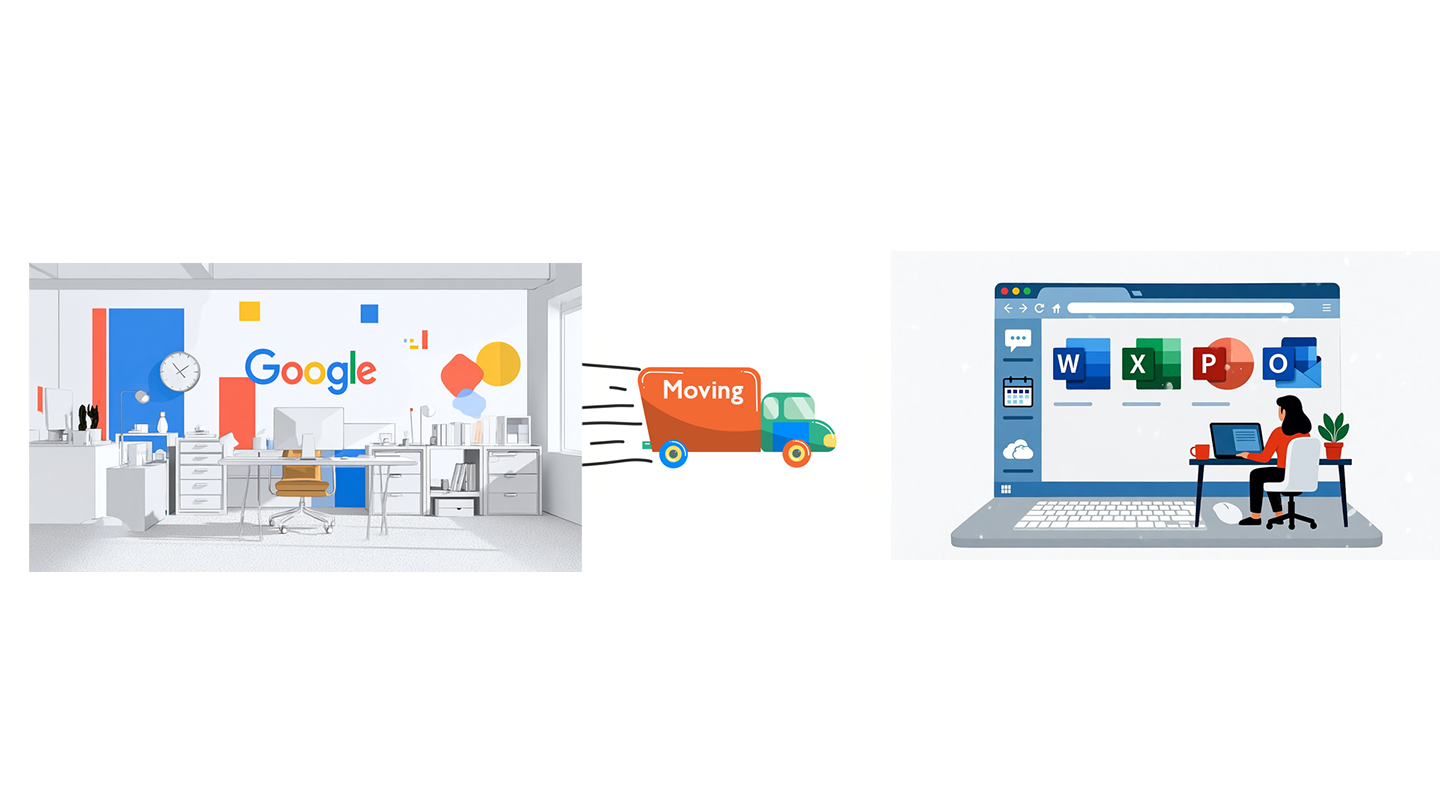
Are you using Gmail for email, Docs for brainstorming, and Drive for file hoarding? It feels simple, lightweight, and works. But as you grow, cracks may start showing. Emails get lost in spam filters more often than they should. Remote teams struggle with offline edits during travel, and integrating with clients' tools can turn into weekly headaches. If that's the case, you should look into Microsoft 365. The switch might not be seamless, more on that later, but it could be a game-changer. If you're on the fence, here's why it might be time to hit the eject button on Google and give Microsoft a shot.
Security That Actually Sleeps at Night
Let's start with the big one: security. Google Workspace is no slouch, but Microsoft's setup feels like it's built for the enterprise battlefield. With features like advanced threat protection, built-in compliance tools for GDPR and HIPAA, and zero-trust access models, it's easier to lock down sensitive client data without constant monitoring.
One real-world scare: a phishing attempt slipped through Google's defenses, nothing catastrophic, but it shook us. Post-switch, Microsoft's Defender for Office 365 caught similar junk before it even hit inboxes, and auditing trails are a breeze to pull up during reviews. If your team handles regulated industries or wants fewer "oops" moments, this alone justifies the move.
The Ecosystem That Ties Everything Together
Google's great if you're living in their bubble, but what if your world spills over? Microsoft 365 plays nice with pretty much everything: Windows, Azure, Power BI, and even third-party CRM like Salesforce. The Google setup means constant app-hopping: Sheets to QuickBooks, then back to Docs. Now? Power Automate zaps data between Outlook, Excel, and our project management tool without breaking a sweat.
And for Windows-heavy teams? It's like coming home. No more clunky browser plugins; native apps hum along.
More Storage and Smarter Spending
Pricing wars between these two are fierce, but Microsoft often edges out with better value. The Google bill crept up to about $12+ per user monthly for basics, with 30GB storage caps that forced us into pricey upgrades. Microsoft 365 Business Standard? Half that in some markets, packing 1TB per user via OneDrive, plus desktop apps thrown in.
Don't get me wrong, run the numbers for your setup, as it varies by region and add-ons. But the extra storage could mean ditching external drives, and the bundled tools (like advanced Excel analytics) pay for themselves in saved consultant hours.
Offline Reliability When Wi-Fi Ghosts You
Google's cloud-only vibe could leave your half-finished proposal lost in the ether if your internet goes down. This is especially important for road warriors. Microsoft 365's apps (Word, Excel, Teams) sync offline like champs. Edit away, and changes are synced up the second you're back online.
It's not just convenience; it's productivity insurance.
AI That Feels Like a Teammate, Not a Gimmick
In 2025, AI isn't optional; it's the secret sauce. Google's Gemini is solid, but Microsoft's Copilot weaves into every corner of 365, drafting emails in Outlook, summarizing meetings in Teams, even generating charts in Excel from vague prompts. It's not perfect (hallucinations happen), but it's tuned for business workflows, not just chit-chat.
Collaboration That Doesn't Feel Like Herding Cats
Google shines in quick shares, but for deeper team syncs? Teams app crushes it. Real-time co-editing in desktop Word feels snappier than Docs, with version history that's actually searchable. Plus, project channels keep chatter organized; no more buried Google Chat threads.
Full disclosure: Migrating email, calendars, and files takes some time.
Bottom line?
If Google's simplicity is holding you back from scaling securely and efficiently, Microsoft 365 levels you up without the bloat. Reclaim time, cut costs, and sleep better knowing our data's fortified.