

The Importance of Regular Network Security Assessments
As a business owner, you already manage quite a few priorities every day. The last thing you want is a surprise cyberattack that brings everything to a halt. Yet that’s exactly what can happen when network vulnerabilities go unnoticed until it’s too late.
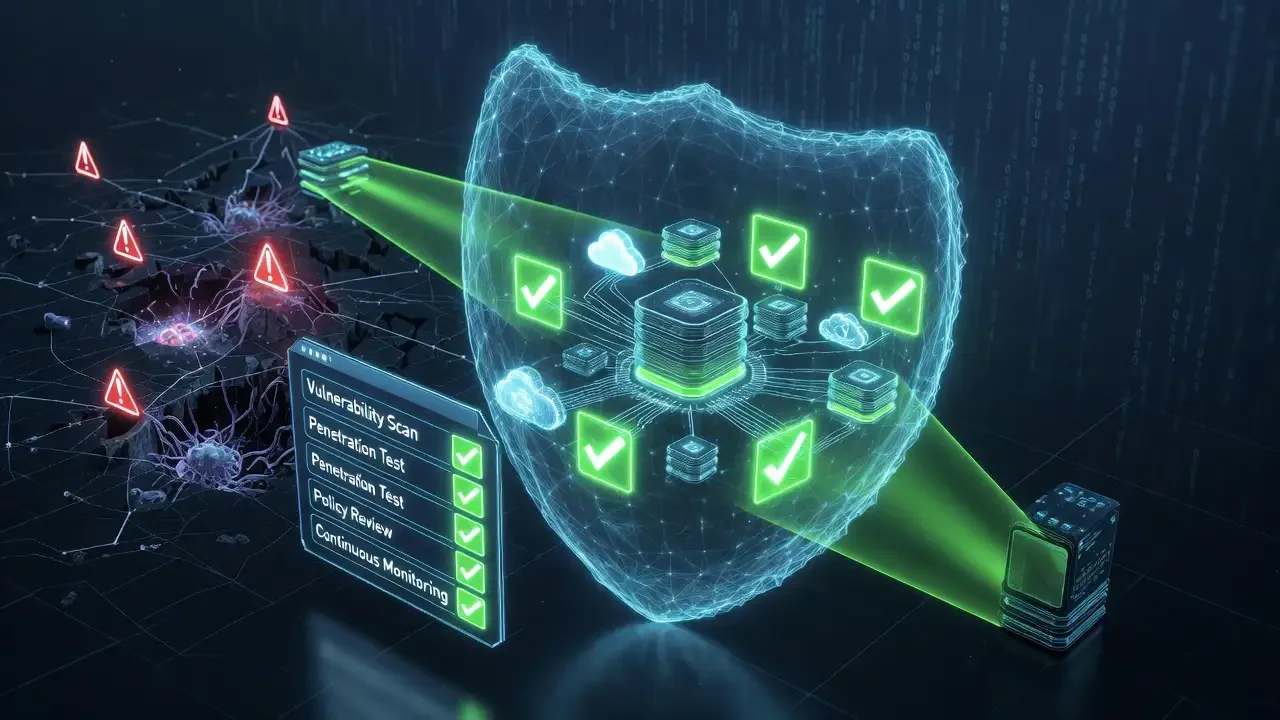
Regular network security assessments change the game. Instead of reacting to breaches after the damage is done, you proactively find and fix weaknesses before attackers exploit them. It’s the difference between staying ahead of threats and constantly playing catch-up.
Why Scheduled Assessments Are Non-Negotiable
Cybercriminals don’t take days off. They continuously scan for open doors—unpatched software, weak passwords, misconfigured firewalls, or forgotten remote access points. A one-time scan or annual check simply isn’t enough. Scheduled assessments (quarterly or at minimum twice a year) create a consistent rhythm of discovery and remediation.
The payoff is real: fewer surprises, lower breach costs, and peace of mind that your data—and your customers’ data—is protected.
Compliance: It’s Not Optional Anymore
If you operate in healthcare, finance, or as a government contractor, regular assessments aren’t just smart—they’re required.
Healthcare: HIPAA demands documented risk analyses and regular security evaluations. Missed assessments can mean serious fines and loss of patient trust.
Finance: PCI-DSS, SOX, and GLBA all require ongoing vulnerability management and penetration testing. Regulators expect proof you’re actively protecting cardholder and financial data.
Government contractors: CMMC, NIST 800-171, and DFARS requirements make regular assessments a baseline for winning and keeping contracts.
Failing these standards doesn’t just risk penalties—it can shut down your ability to do business in these sectors.
Productivity Wins for Education and Retail
Even if compliance isn’t your driver, the operational benefits are hard to ignore.
In education, a single ransomware incident can cancel classes, disrupt remote learning platforms, and damage your institution’s reputation for years. Regular assessments keep systems running smoothly so teachers can teach and students can learn.
In retail, downtime at the point-of-sale or e-commerce platform directly hits revenue. A breach that exposes customer payment data can trigger chargebacks, lost sales, and a PR nightmare that takes months to recover from. Proactive assessments protect both your bottom line and your brand.
Simple Checklist: What a Thorough Network Security Assessment Should Include
Here’s what to expect (and insist on) when you schedule an assessment:
Vulnerability scanning across all devices, servers, and endpoints
Penetration testing to simulate real-world attacks
Firewall and intrusion detection/prevention review
User access and privilege audits (who has access to what—and should they?)
Patch and update verification for operating systems and applications
Wireless network security testing
Data encryption and backup validation
Review of remote access and VPN configurations
Incident response plan evaluation
Physical security checks for servers and network equipment
A good assessment doesn’t just hand you a report—it gives you clear, prioritized recommendations with timelines.
Ready to Take Control of Your Network Security?
At Solomon IT, we specialize in helping business owners stay ahead of threats without adding complexity to your day. Our team delivers clear, actionable assessments tailored to your industry and size—whether you’re a healthcare provider, financial firm, government contractor, school, or retailer.
Don’t wait for a breach to force your hand.
Let’s find your vulnerabilities before someone else does. Your network (and your peace of mind) will thank you.